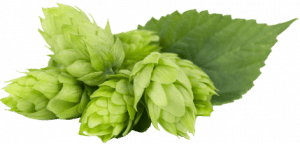
Sterling hops are an American variety released in 1998 by the USDA, bred as a replacement for Saaz with improved agronomic traits. Known for their clean bitterness and refined aroma, Sterling hops offer a noble hop character with a slightly more assertive edge. They are widely used in lagers, pilsners, and Belgian-style ales.
Sterling hops deliver a balanced aroma profile featuring floral, herbal, and spicy notes. Subtle hints of citrus and mint add complexity without overwhelming the palate. With alpha acids typically ranging from 6% to 9%, Sterling hops perform well in both bittering and aroma roles.
These hops are especially effective in traditional European-style beers. When used late in the boil or for dry hopping, Sterling hops contribute a crisp, refreshing finish. Their low cohumulone content ensures a smooth bitterness that supports drinkability.
Brewers choose Sterling hops for their versatility and noble-like character. They serve as a reliable alternative to Saaz, offering similar aroma qualities with better disease resistance and yield. Sterling hops blend well with other varieties such as Hallertau or Tettnang, making them ideal for layered hop profiles.
In the field, Sterling hops are appreciated for their consistent performance and adaptability. Grown primarily in the Pacific Northwest, they benefit from ideal climate conditions and careful cultivation. This results in a dependable supply and high-quality cones season after season.